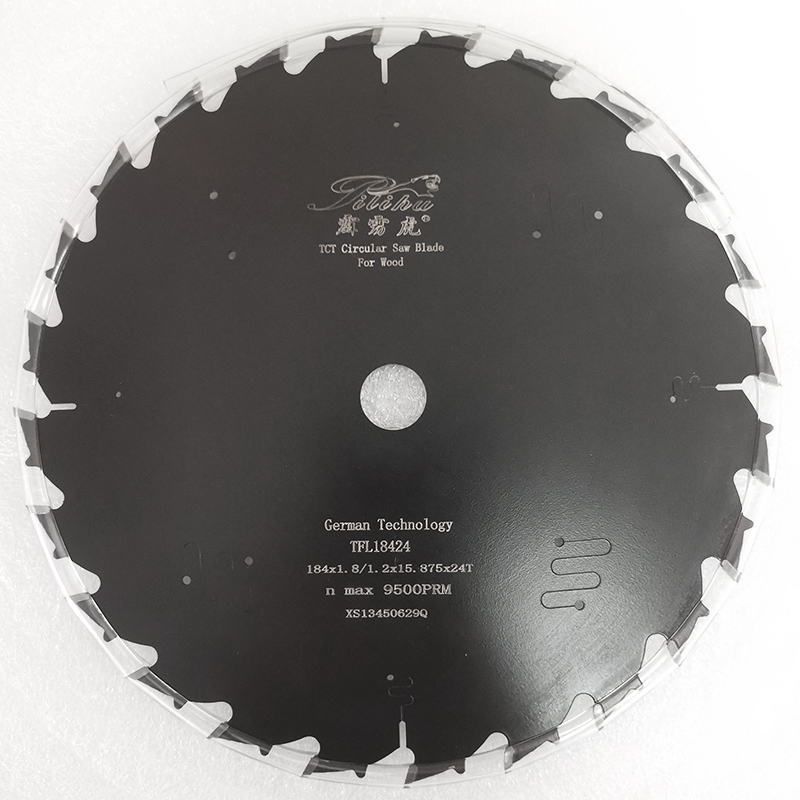
**Enhancing Woodworking Precision: The Latest Innovations in Skill Saw Blades for Wood**In the ever-evolving world of woodworking, precision and efficiency are paramount. Whether you are a professional carpenter or a passionate DIY enthusiast, having the right tool can significantly impact the quality and ease of your work. One critical component that often determines cutting performance is the saw blade. Recent developments in skill saw blades for wood have showcased remarkable improvements, offering users enhanced precision, durability, and versatility.### Meeting the Demands of Modern WoodworkingWoodworking as a craft demands sharp, reliable blades that can handle various types of wood, from soft pine to dense hardwoods. The latest generation of skill saw blades has been engineered to meet these diverse requirements. Crafted with advanced materials and cutting-edge manufacturing techniques, these blades offer superior cutting speeds and longer lifespans compared to their predecessors.High-quality saw blades ensure cleaner cuts with minimal splintering, which is particularly important for fine carpentry and cabinetry. These new blades feature upgraded tooth designs that optimize chip clearance and reduce heat buildup, thereby preventing premature wear and tear.### Innovative Features Driving PerformanceOne of the standout features of today’s skill saw blades is the incorporation of advanced carbide tips. Carbide, known for its hardness and resistance to abrasion, significantly extends the blade’s service life. Additionally, the teeth are often engineered with alternating top bevel (ATB) configurations, allowing for smoother crosscuts and rip cuts on wood.Another innovation includes laser-cut expansion slots. These slots reduce vibration and noise during operation, improving both user comfort and cut accuracy. The slots also help the blade maintain its shape during high-speed rotation, preventing warping which can compromise cut quality.Enamel or heat-treated surfaces are increasingly common, offering additional protection against corrosion. This is especially beneficial for woodworkers who operate in varied environments or store their tools for extended periods.### Versatility Across Wood Types and ApplicationsThe range of skill saw blades available today caters to an array of woodworking applications. From rough framing and demolition work to fine finishing and joinery, users can select blades tailored to their specific tasks.For example, blades with a higher tooth count (e.g., 60 teeth and above) are ideal for smooth, precise cuts in hardwoods and plywood, making them perfect for cabinetry and furniture making. Conversely, blades with fewer teeth (around 24 to 40) provide faster, rougher cuts suitable for framing and construction purposes.Moreover, some blades are designed for multi-material cutting, adept at slicing through wood composites and laminates without chipping, thus broadening their usability in modern woodworking projects.### Commitment to Safety and Environmental ResponsibilityManufacturers of these advanced skill saw blades emphasize safety features to protect users. Engineered to fit perfectly onto compatible saw motors, the blades reduce the risk of kickbacks and binding, both common hazards during cutting operations.Additionally, sustainable manufacturing practices are gaining traction. Many companies now focus on eco-friendly production methods, reducing waste and energy consumption. Some blades are even made using recycled materials where possible, reflecting a commitment to environmental stewardship within the woodworking industry.### ConclusionThe latest innovations in skill saw blades for wood have transformed the way carpenters and woodworkers approach their craft. Combining durability, precision, versatility, and safety, these new blades rise to meet the high standards demanded by modern woodworking projects. Whether working with delicate hardwoods or tough construction lumber, professionals and hobbyists alike can rely on these tools to deliver exceptional results.As the woodworking industry continues to advance, embracing these technological improvements in saw blade design will undoubtedly lead to higher-quality workmanship and greater project efficiency. Investing in the right blade is not just about cutting wood—it’s about cutting through limitations and opening up new possibilities in the art and science of woodworking.
Read More